Does your brow ever look a little too smooth after injections, like your expressions are stuck at half-strength? That frozen look is preventable. With the right plan, careful dosing, and a skilled injector, Botox can soften lines while preserving your natural expressions and facial character.
The difference between softened and overdone
Overdone Botox is not just about too many units. It is usually a mix of poor assessment, wrong injection points, and mismatched expectations. Natural Botox results look like you on a rested day: forehead lines fade without flattening the brow, crow’s feet soften but your smile still lights up your face, frown lines loosen without lifting your eyebrows into a constant arch. When the balance tips, you see eyebrow spocking, heavy lids, a droopy smile, or a waxy forehead that no longer moves.
I have treated patients who swore they had “high foreheads” or “heavy brows” when the real culprit was over-relaxation of the frontalis or a poorly placed injection near the levator labii. Subtlety takes planning, not courage.
How Botox works, in plain terms
Botox injections deliver a purified neurotoxin that temporarily reduces communication between nerves and muscles. Less movement means fewer etched-in wrinkles, especially dynamic lines like forehead lines, crow’s feet, or frown lines. The effect develops gradually over 3 to 7 days and peaks around day 14. Botox longevity typically runs 3 to 4 months, sometimes 2 to 5 depending on dosage, metabolism, and area treated. Baby Botox uses lower Botox units to blur early lines, often chosen by patients in their 20s or 30s seeking Preventative Botox.
Different products exist under the umbrella of neuromodulators: Dysport, Xeomin, and Jeuveau. Each spreads and sets a bit differently. Dysport can have a slightly wider spread, useful for larger areas like the forehead. Xeomin lacks accessory proteins, which some clinicians favor for repeat treatments. Jeuveau performs very similarly to Botox in many clinics. The best choice is not universal, so a thoughtful Botox consultation matters more than brand loyalty.
Why overdone happens, even with “top rated” clinics
Cost and convenience often drive decisions, and that is where trouble starts. Cheap Botox and heavy-handed “full face Botox” packages can encourage too many units in the wrong places. Group Botox discounts and Botox parties sometimes compress evaluation time, which is crucial for reading your facial rhythm. A rigid, one-size-fits-all map ignores your muscle strength, brow position, and how you animate when talking.
A quick example from practice: a man who lifts one eyebrow more than the other while speaking. Standard dosing creates asymmetry by fully relaxing one side and leaving the other dominant. Precision placement with a small touch up at day 14 prevents the “villain brow” look. The lesson holds for everyone, not just Brotox patients. Good Botox techniques are personal, not template-driven.
The diagnostic step most people skip: your expression baseline
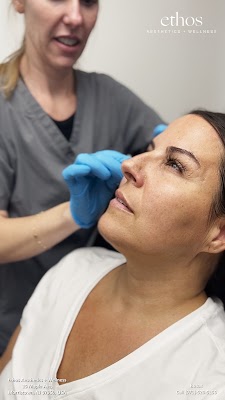
The most important part of any Botox appointment is the face-reading. An experienced Botox injector will ask you to frown, smile, squint, lift your brows, and talk. They watch for asymmetries, overactive bands, and where lines rest at neutral. They compare dynamic lines, like crow’s feet that appear when you laugh, with static lines that remain at rest. If your goal is fewer etched lines but lively expressions, the plan might favor mini doses across larger areas rather than heavy doses in a few points.
I photograph most patients at neutral, mid-expression, and full expression for true Botox before and after comparisons. Those images guide unit placement and help reduce surprises, especially for first-time Botox experiences.
Subtle strategies: what actually keeps things natural
Start lower, build slowly. If you are new to Botox for forehead lines, resist the urge to chase 100 percent movement freeze. The frontalis muscle lifts the brow, so over-treating it can drop the eyebrows and make eyelids look heavier. For frown lines, address the glabellar complex to soften the “11s” while keeping some paradoxical lift in check. For crow’s feet, dose sparingly near the lower lid to avoid eye rounding or smile distortion.
There is a useful test: ask yourself which lines truly bother you at rest. Lines that only appear during an intense laugh or hard squint generally benefit from lighter treatment, or none at all. That choice preserves spontaneity.
The rhythm of dosing, units, and timing
Botox units are not a badge of honor. A small forehead might look best with 6 to 10 units spread across four to six micro-sites, while a strong forehead could need 12 to 20. Crow’s feet vary, often 6 to 12 units per side, tailored to your squint strength. Glabellar lines commonly range around 12 to 20 units for a smooth but expressive center brow. Baby Botox and microdroplet techniques intentionally use lighter doses to soften without shutting down movement. These smaller doses are useful for Preventative Botox in your 20s and 30s, or if you use your face heavily in your profession.
Plan your first two sessions as a pair: a conservative first treatment, then a Botox touch up at 2 weeks if you need a pinch more. This prevents overcorrection and lets you control the final look. After that, maintenance falls roughly every 3 to 4 months. Some areas fade faster. If you are very active or have a fast metabolism, expect shorter Botox longevity and adjust Botox frequency accordingly.
Avoiding common pitfalls by area
Forehead lines: Do not treat the frontalis without coordinating the glabella. Isolated forehead treatment can cause a flat shelf or lowered brows. Stagger tiny doses higher on the forehead to blend.
Frown lines: Treat the corrugators and procerus with precise depth, avoiding drift toward the levator muscles that lift the upper lip. Good technique prevents the angry resting face without pushing brows into a permanent peak.
Crow’s feet: Keep injections lateral to avoid diffusion into the zygomatic complex. For those whose smiles are their signature, start light around the outer thirds and reassess at day 14.
Bunny lines: Gentle microdoses work well. Too much causes upper lip stiffness and odd nose creasing when laughing.
Lip flip: Micro-injections of Botox for lip flip should be very conservative. Overdosing leads to difficulty sipping from a straw or forming certain words.
Chin dimpling: A few units into the mentalis smooths orange-peel texture. Heavy doses can reveal mouth droop or an unnatural stillness during speech.
Neck bands: Treating platysmal bands can rejuvenate the jawline and neck. Over-relaxation can compromise neck function or create subtle swallowing discomfort. Choose a Botox doctor experienced in neck bands specifically.
Masseter muscles: Botox for jawline slimming and bruxism requires careful dosing and symmetry. Too much can alter chewing strength or facial balance. A gradual approach over multiple sessions with reassessment of bite function is safer.
Gummy smile and downturned mouth: Tiny, targeted doses lift subtly. Heavy hands can distort the smile arc. Test the effect with minimal units first.
Alternatives and combinations that preserve your face
Sometimes Botox is not the right answer for a line. Etched forehead creases that persist even at rest may need a tiny amount of hyaluronic acid filler rather than more neuromodulator. The Botox vs fillers conversation is about motion lines versus volume or skin-crease lines. Many natural results come from Botox and fillers used together, placed gently and strategically.
If you want an option with a slightly different spread or onset, discuss Dysport, Xeomin, or Jeuveau. Botox vs Dysport is often a draw, yet I have patients who prefer one due to how it settles by week two. If a prior brand felt “too strong,” a switch can solve it without sacrificing smoothness.
There are non-injectable Botox alternatives for skin quality, like microneedling, resurfacing lasers, or skincare actives that help tone and texture. These do not replace Botox for dynamic lines but can reduce the amount you need, supporting a lighter touch.
Safety basics and when to pause
Botox safety is excellent in trained hands, but side effects happen. Temporary bruising or mild swelling are common. Headache for a day or two occurs occasionally. If brow heaviness, eyelid droop, or smile asymmetry appear, call your provider promptly. Many of these resolve as the product wears off, and small adjustments can sometimes balance them.
Post-procedure rules matter more than people think. Avoid heavy workouts, massages, or upside-down yoga for 4 to 6 hours, sometimes up to a full day if your injector advises. Do not press or rub the area. Skipping these basics can shift product and contribute to odd results.
Medical conditions can guide choices. If you are considering Botox for migraines, TMJ, bruxism, or excessive sweating, a medical consultation is essential. Medical Botox follows different dosing and mapping than cosmetic areas, and insurance may apply in some medically indicated cases. Cosmetic Botox is typically not covered by Botox insurance, though some clinics offer Botox financing or Botox payment plans.
What “affordable” should mean
Botox cost varies by city, injector expertise, and brand. You will see advertisements for Affordable Botox, Botox deals, and Botox specials. Price alone can mislead. If a clinic heavily discounts without describing their assessment process or a tailored plan, think cautiously. Overcorrection is expensive to fix with time and reputation. Best Botox does not always mean the highest Botox prices, but it never looks like a rushed appointment or a one-size sheet of injection sites. Quality care includes a follow-up option and transparency about Botox dosage and mapping.
A fair price reflects the injector’s training, sterile technique, and willingness to see you at two weeks. If you like memberships, a Botox membership that includes assessments, small touch ups, and loyalty pricing can serve regular maintenance without pushing more units than you need. Botox packages for multi-area treatment can make sense, provided they remain flexible to your face, not just a bundled number.
A tale of two foreheads
Two patients with similar deep forehead lines came in a week apart. Both wanted a smoother look for a work event. One had a high brow position and strong frontalis. The other had a low-set brow with early lid heaviness. If I used the same dose and pattern, the first would look fantastic and the second would look tired and heavy-lidded.
For the high-brow patient, I used moderate units across the upper forehead and a coordinated glabellar plan to keep lift balanced. For the low-brow patient, I favored more glabella control and lighter, higher-placed microdroplets on the forehead to avoid dropping the brow. They both returned for a tiny adjustment at day 14. Standing side by side in photos, they looked unmistakably like themselves, just less creased. Same product, different maps, natural for each.
Special cases: men, athletes, and first-timers
Men often have stronger frontalis and corrugators. If you are considering Botox for men, expect a slightly higher dosage to achieve the same softening, but placed with care to avoid over-arched brows. Athletes or those with fast metabolisms may see shorter duration, necessitating smaller, more frequent Botox maintenance visits rather than a heavy single session.
First-timers benefit from Baby Botox. It lowers the risk of feeling “too still” in week two. It also teaches your injector how you respond, which is essential for building your personal Botox techniques over time. If budget is a concern, tell your provider your priority area. You do not need Full face Botox to look refreshed.
When to consider a different plan
If you have deep, static lines at rest that barely change with frowning or squinting, Botox alone will not erase them. You may need a combination of soft neuromodulation and tiny filler threads placed superficially, or skin resurfacing. If your brow is already heavy and you rely on your frontalis to hold the lids up, aggressive forehead Botox is a mistake. A conservative approach with a Botox brow lift technique that focuses more on the glabella and tail lift can help without drooping the lids, but it must be measured.
For lower-face concerns like marionette lines or smoker’s lines, neuromodulators can help when muscle pull contributes, though fillers and skin treatments often do the heavy lifting. For oily skin or large pores, off-label microbotox or skin boosters may smooth texture, but they are not a wrinkle solution and should be discussed honestly, including trade-offs.
Comfort and the reality of pain
Most patients report minimal discomfort. Painless Botox is not literal, but with good technique and a fast hand, it is quick and tolerable. We use ice or a Botox numbing cream for sensitive areas. Bruising risk goes up if you take blood thinners or supplements like fish oil. You can minimize downtime by planning appointments at least a week before important events. If you bruise easily, warn your injector and expect a few pinpoint marks that fade within days.
Aftercare that protects your result
The first four to six hours are key. Stay upright, avoid rubbing your face, skip heavy exercise, and hold off on facials or saunas for 24 hours. Mild makeup is fine once any pinpoint bleeding stops. If you have a Botox facial or other skin treatment planned, coordinate timing so it does not press product into unintended areas. During Botox recovery, some people feel tightness or a slight headache. Hydration, gentle movement, and patience help.
Set a reminder for a two-week check. That is when Botox results settle and we see the true shape of your expressions. Small asymmetric spots can be balanced with micro-additions. Patients who show up for this visit get the most natural outcomes over time, because each adjustment teaches us how your face responds.
How to choose your injector wisely
Credentials matter, but so does conversation. You want a Botox specialist who watches how you animate and can explain their plan in clear language. Ask how they approach asymmetry, what their typical two-week follow-up looks like, and how they manage rare side effects. A strong Botox provider will not push more areas than you need. Good Botox reviews can be helpful, but rely on in-person rapport and your comfort level. If a clinic is selling more units as the answer to everything, that is a red flag.
Below is a short checklist you can use before and after your appointment.
- Before: Clarify your top one or two priorities and bring photos of expressions you like on yourself. Ask about estimated Botox units and what a conservative plan looks like for you. During: Request a mirror to practice expressions while the injector maps sites. Confirm a two-week follow-up is included. After: Follow the no-rub, no-sweat window. Watch for asymmetry only after day 7, not sooner. At day 14: Evaluate expressions in bright, even light. Ask for micro-adjustments rather than big additions. Ongoing: Track how long your results last and note any side effects. Share these details at your next visit.
The money conversation, without regrets
Botox prices per unit and per area vary widely. A clinic that explains your map, the rationale for each dose, and how they will handle follow-up is worth more than a rock-bottom promotion. If you see offers for Cheap Botox that sound too good to be true, ask about product sourcing and injector training. Many reputable clinics offset cost through memberships, modest Botox specials, or Morristown NJ botox safe Botox packages that do not oversell units. If budget is tight, prioritize the area that affects you most, like glabellar frown lines that make you look tired or stern on video calls, rather than spreading too few units across many areas.
Realistic expectations: how long does Botox last and how often to maintain
Expect onset in 3 to 5 days, peak at 2 weeks, and a gradual softening after month two. Most people maintain every 3 to 4 months. If you start with lower doses for natural movement, you may need a slightly shorter interval or a quick touch up between full sessions. Over time, some muscles weaken modestly, which can lengthen intervals or reduce the needed dosage. That is a good thing when you are chasing subtle results.
Special uses, same principles
Medical Botox for migraines, excessive sweating, or TMJ follows different protocols but the natural-first mindset still applies. For Botox for migraines, the PREEMPT pattern is mapped to nerve corridors. For hyperhidrosis, dosing considers safety and sweat distribution. For Botox for TMJ or masseter muscles, plan for gradual reduction to avoid chewing fatigue. In all cases, a careful Botox doctor explains the trade-offs and typical response curve.
Stories from the chair
One patient, a television host, depended on expressive brows. She feared Botox would erase her on-air personality. We used a microdroplet approach: 8 units in the frontalis placed high, 12 in the glabella, 8 per side around the crow’s feet, and skipped the lower lid entirely. At two weeks, she had relaxed lines under studio lights, but her surprise and concern reads remained intact. That set her maintenance schedule at three months, occasionally four, with tiny touch ups before live productions.
Another, a marathon runner, metabolized faster than average. Instead of increasing dose, we adopted a lighter dose every 10 to 12 weeks. Her expressions stayed lively, https://www.youtube.com/c/Myethosspa and the cost evened out across the year. This approach spared her the heavy period many experience from chasing long duration with large doses.
The bottom line
Natural Botox is not an accident, it is a set of choices. Choose an injector who plans, photograph your baseline, start conservatively, prioritize your must-fix lines, and honor the two-week adjustment. Be realistic about Botox cost, and judge value by assessment quality, not unit totals. Use alternatives or adjuncts when a wrinkle is more about skin or volume than muscle action. With that mindset, Botox for wrinkles, for forehead lines, for crow’s feet, and even for nuanced areas like a lip flip or bunny lines, can read as you, only fresher.
If you want a litmus test, try this after your next treatment: sit in front of bright light, run through your normal expressions, and ask a friend what they see. If they say, “you look well rested,” not “did you have work done,” you have landed in the sweet spot.